Our Target
By building green, zero-carbon factories and adopting a lean manufacturing model,
we're driving greener and more efficient operations to achieve sustainable growth.
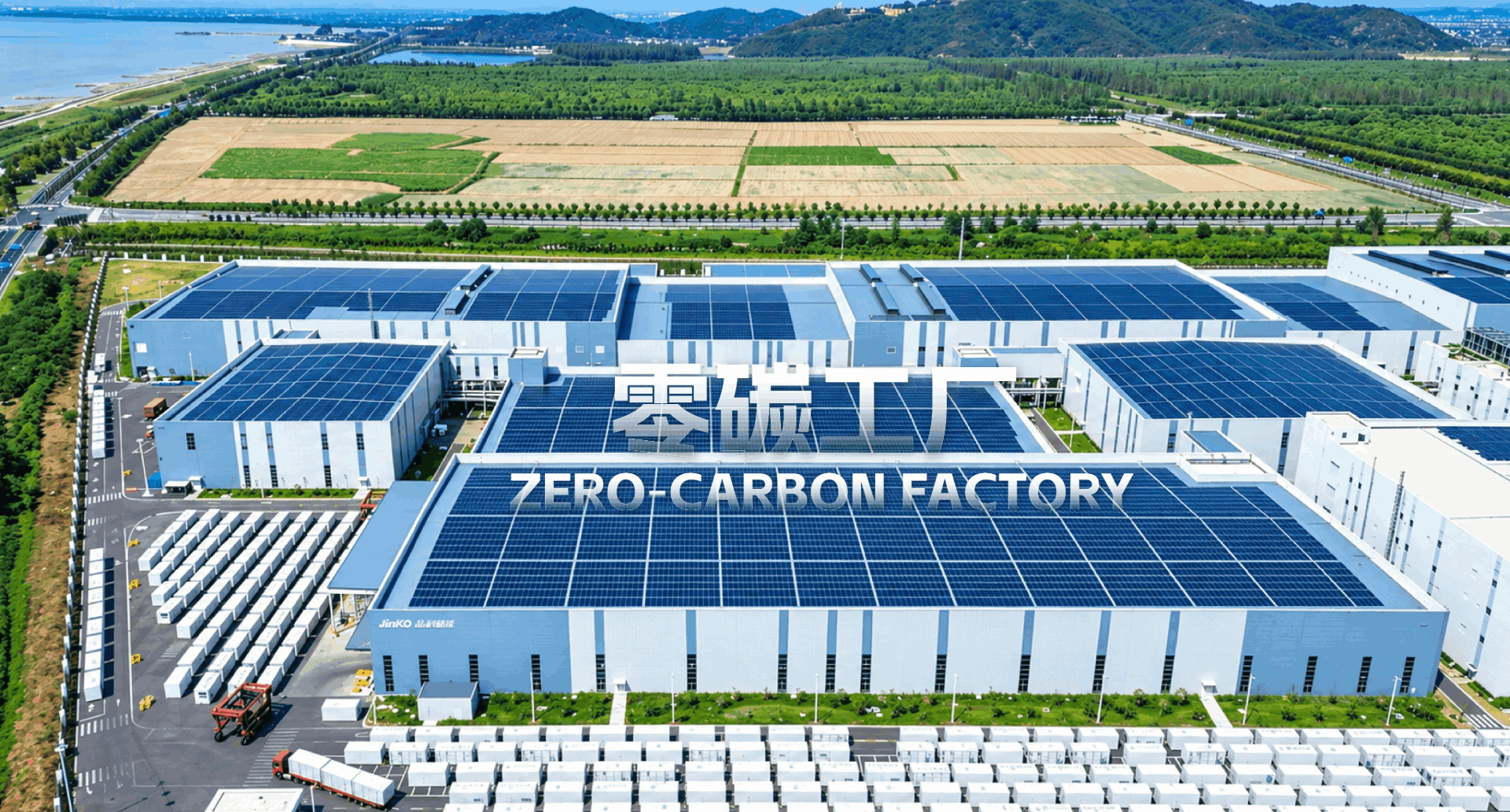
Zero-Carbon Factory
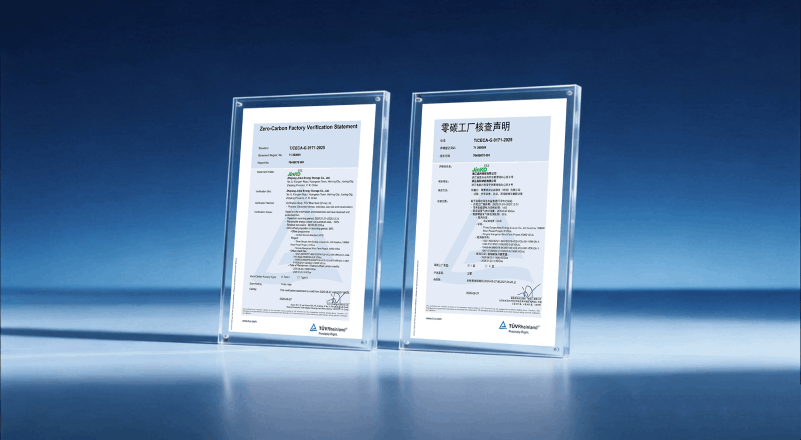
In 2026, Jinko ESS's Haining factory in Zhejiang passed the Zero-Carbon Factory verification
conducted by TÜV Rheinland, receiving a Type I Three-Star rating.
During the 2025 reporting period, the factory achieved 100% renewable electricity consumption,
while continuing to advance energy transition, energy efficiency and low-carbon manufacturing.
12MW
Rooftop PV Capacity
18.97%
PV Self-Consumption Share of Total Electricity
100%
Renewable Electricity Consumption
17
Zero-Carbon Measures
 Zero-Carbon Management
Jinko ESS has established a zero-carbon management system with short-, medium- and long-term plans and 17 zero-carbon measures, supported by a management framework covering climate governance, target setting and continuous improvement. In 2026, the factory's carbon management system passed third-party certification/evaluation.
 Green Energy
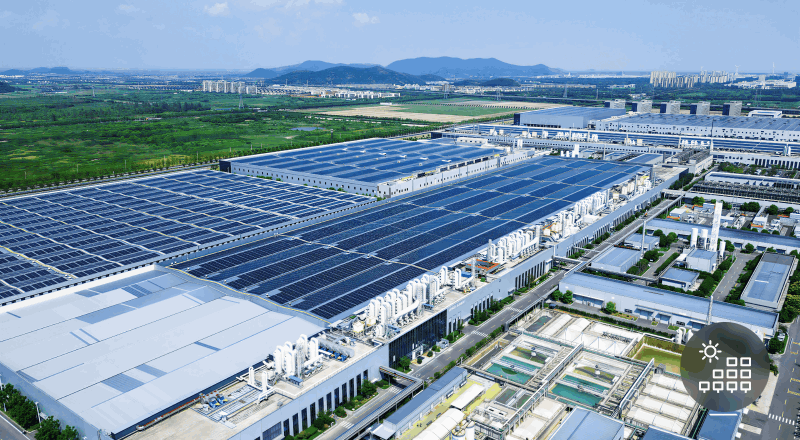
The factory operates a 12 MW rooftop PV system covering approximately 80,000 square meters, or 66.44% of the total roof area of factory structures. In 2025, electricity generated by the rooftop PV system and consumed on site accounted for 18.97% of total electricity consumption, while renewable energy accounted for 10.13% of total energy consumption. The factory further increased its renewable electricity consumption through green certificate procurement, achieving 100% renewable electricity consumption during the reporting period.
 Smart Energy Efficiency
Energy Management Systems (EMS) and a carbon management platform enable digital data collection, dynamic monitoring and analysis of energy use and carbon emissions. Energy efficiency is further improved through waste heat recovery and cooling system optimization. In 2025, these measures saved 466 tonnes of steam and 92,691 kWh of cooling electricity.
 Resource Circularity & Carbon Reduction
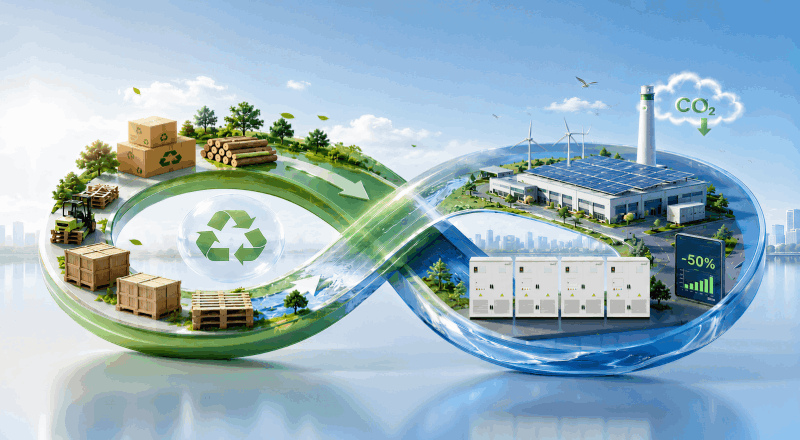
The factory promotes reusable packaging, green procurement and low-carbon supplier management to reduce resource consumption and supply chain emissions. In 2025, packaging optimization saved 7,448 cartons and 2,496 wooden pallets. Following direct emissions reduction, carbon offsets were applied to residual emissions, covering 50% of Scope 1 and Scope 2 greenhouse gas emissions.
Environmental Management
Water Management
Packaging Materials and Circularity
Emissions and Waste Management
Hazardous Substances
Water Management
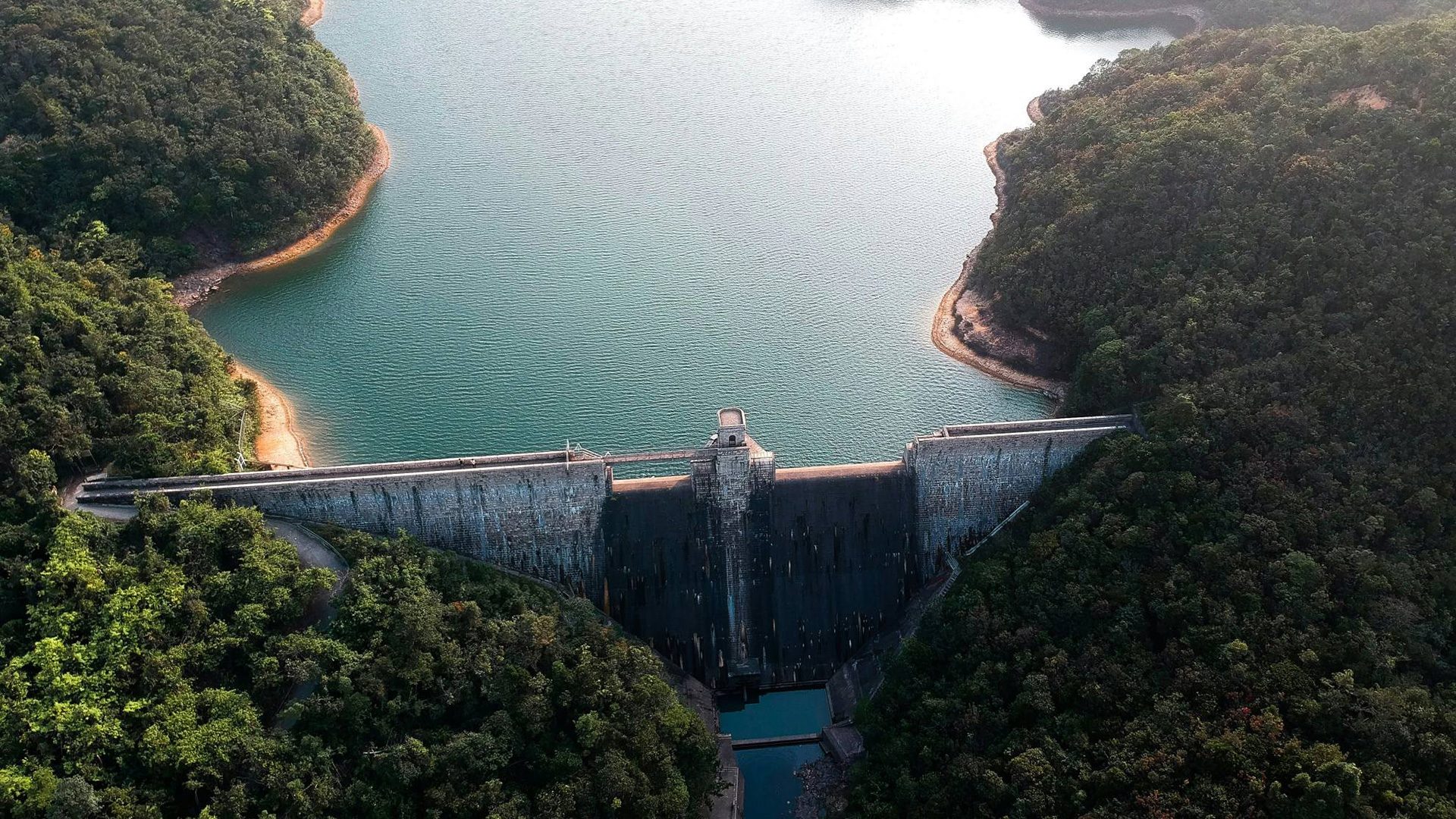
Jinko ESS integrates water-resource management into its overall management system, combining formal controls with day-to-day operations to embed water conservation throughout production and operations. We continue to optimise processes, harvest rainwater and reuse condensate, improving water recycling efficiency while reducing freshwater withdrawal and wastewater discharge. These measures support the efficient and sustainable use of water resources.


Packaging Materials and Circularity
To improve resource efficiency throughout our operations, Jinko ESS has established a packaging management system covering inbound receipt, internal circulation and outbound delivery. We are comprehensively expanding the use of reusable packaging and working with supply-chain partners to replace single-use packaging materials, reducing resource consumption at source and continually improving packaging circularity and green operational capabilities.
Emissions and Waste Management
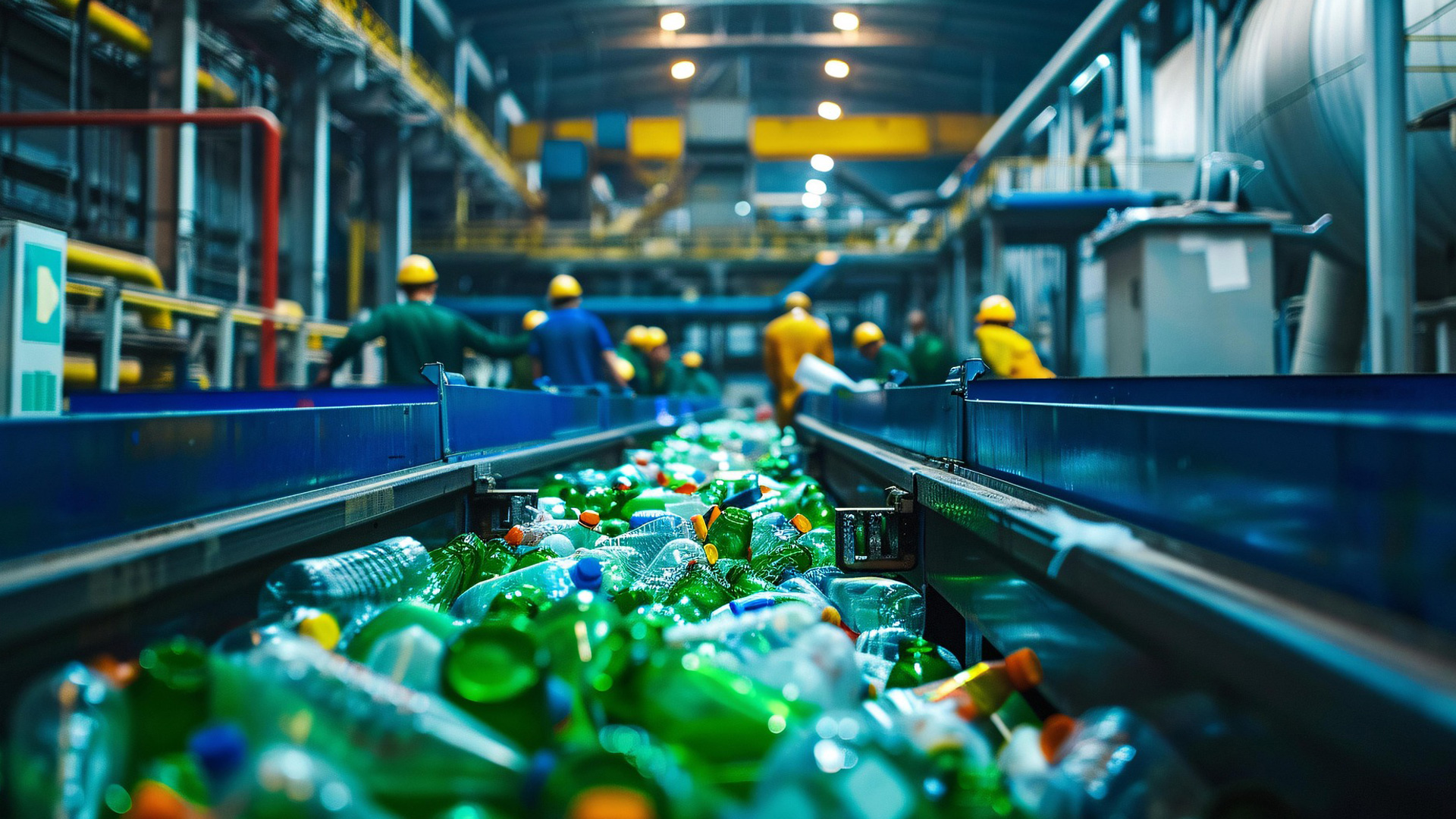
Jinko ESS has established a comprehensive emissions and waste management system. By standardising monitoring indicators and frequencies, regularly assessing emissions risks, and continuously improving production equipment and processes, we work to reduce emissions and waste generation and strengthen environmental management performance.
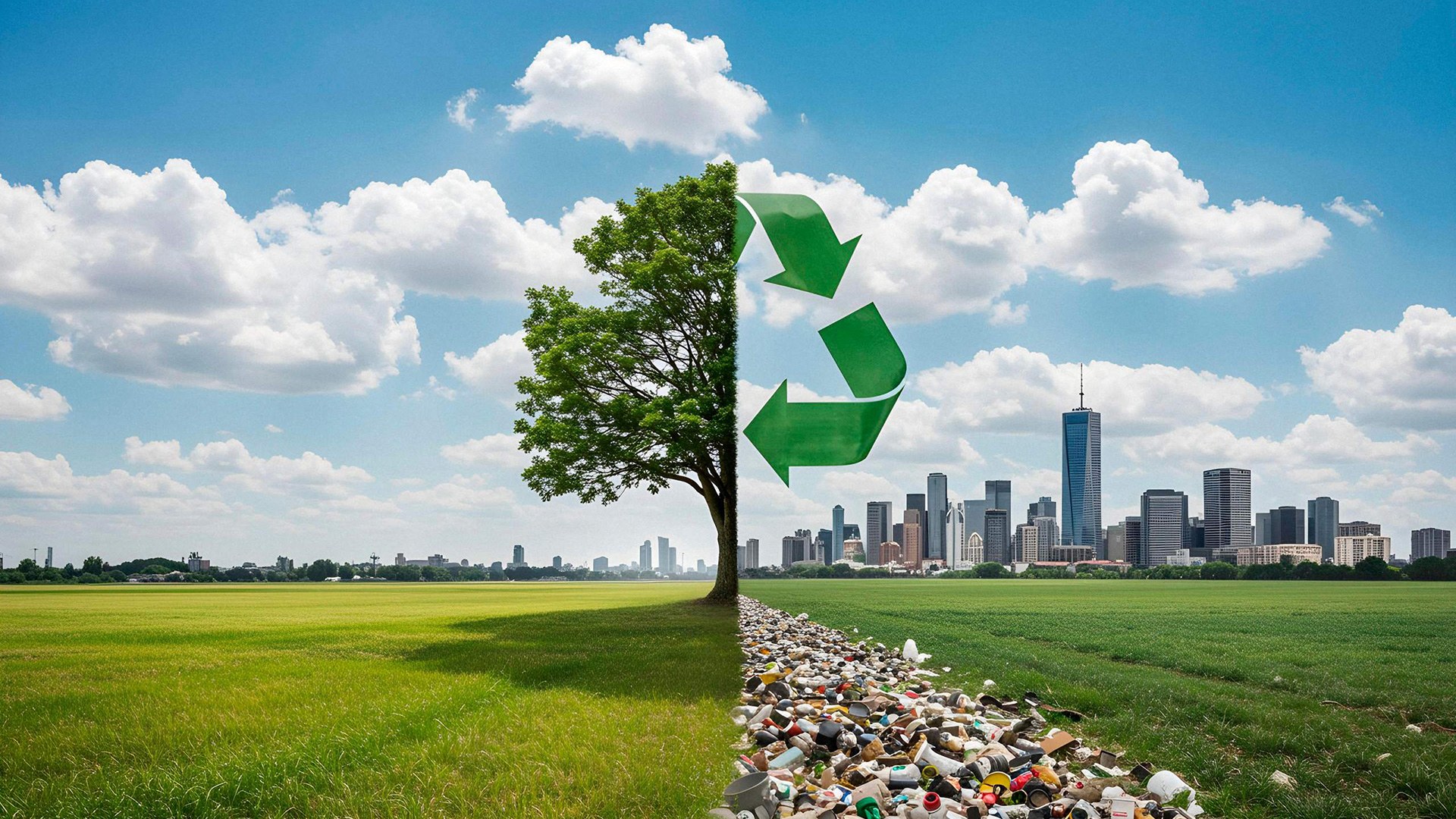
Air Emissions Management
Jinko ESS complies strictly with applicable laws and regulations and operates an end-to-end air-emissions control system. We strengthen both source reduction and end-of-pipe treatment to ensure that air emissions are treated and discharged in accordance with applicable standards.
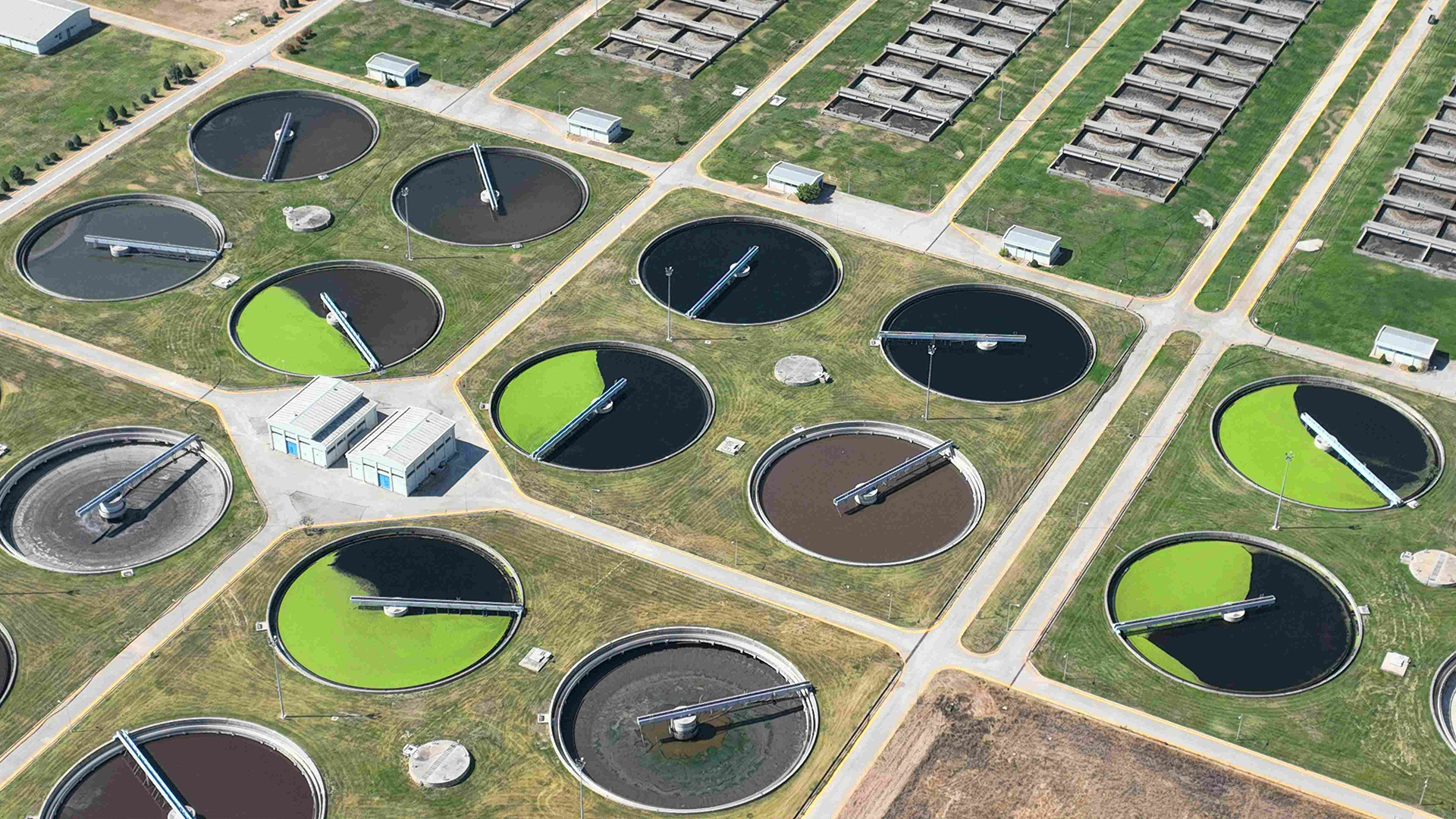
Wastewater Management
Jinko ESS strictly controls the quality and volume of wastewater from production, testing and cleaning, as well as circulating water and domestic wastewater. Treatment is carried out in accordance with the relevant technical procedures and operating methods to ensure that all discharges meet applicable standards.
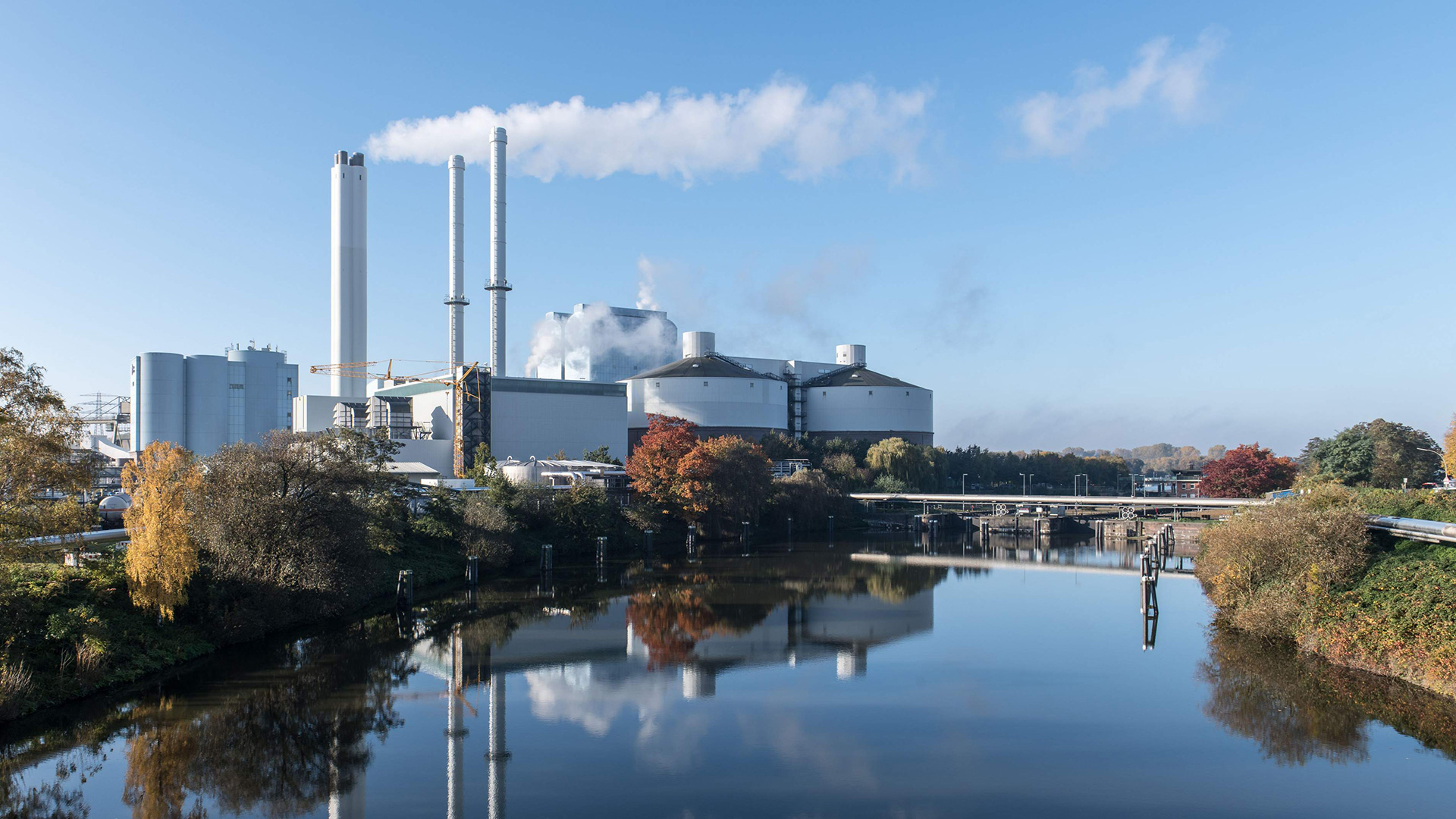
Waste
By continuously improving its waste management procedures, Jinko ESS promotes waste segregation and compliant disposal while increasing resource recovery and strengthening environmentally sound management.
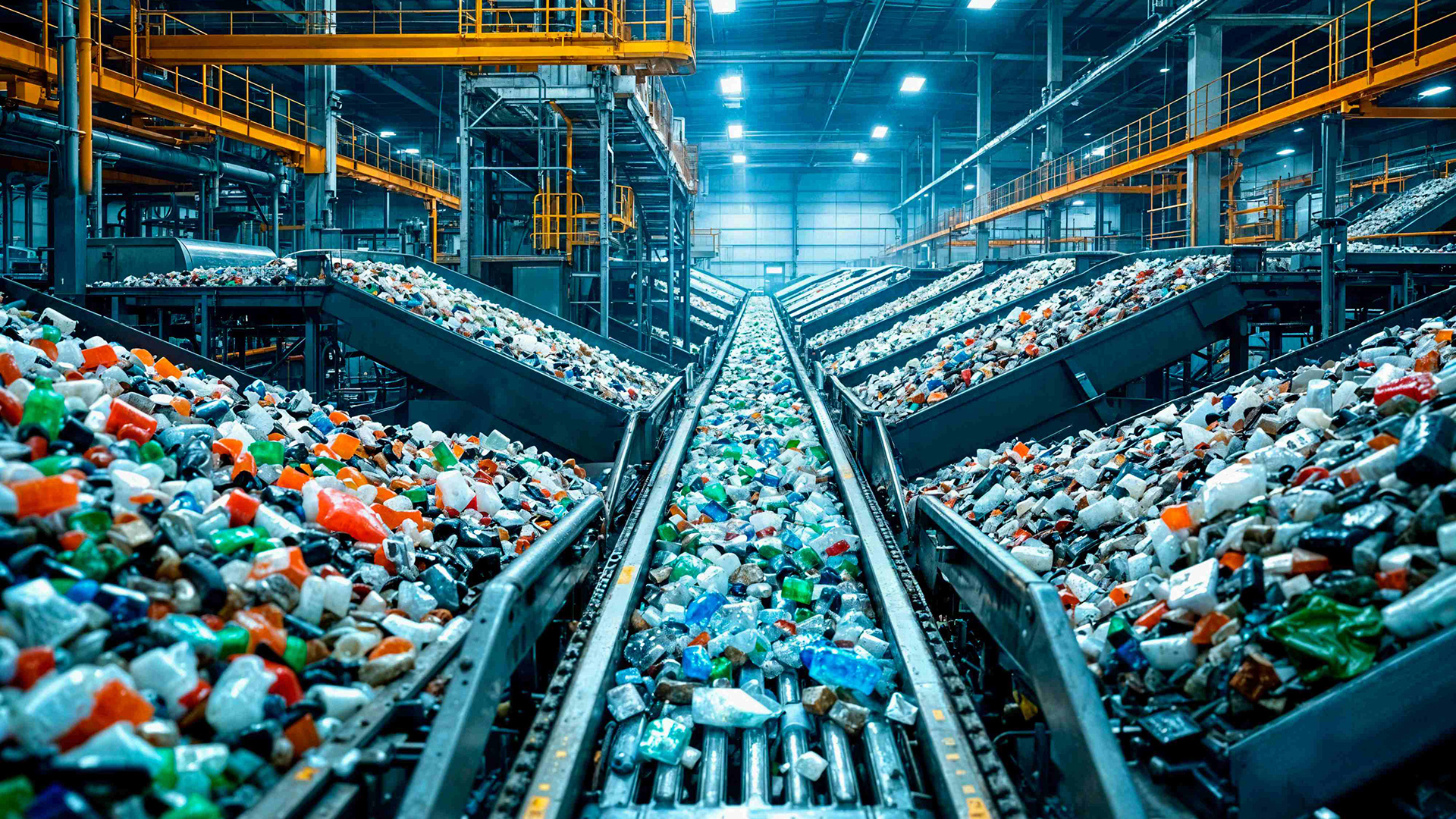
Noise Management
Jinko ESS has established a noise management mechanism and strengthened the control and monitoring of noise sources within its operations and among relevant parties under its control. This ensures consistent compliance with site noise limits and continuously reduces impacts on the surrounding environment.

Hazardous Substances
Jinko ESS follows applicable domestic and international regulations and standards on hazardous-substance management and has established a management system covering the entire product lifecycle. Strict controls are applied across design, procurement, inspection, production and sales, continuously improving product environmental compliance and overall environmental performance.

Follow us