Our Target
By 2032, we'll achieve carbon neutrality in corporate operations.
By 2050, we'll drive low-carbon transformation of entire supply chain,
promote collaborative carbon reduction across the value chain,
and contribute to building a green & low-carbon ecosystem for industry.
Climate Targets
In active support of global carbon-peaking and carbon-neutrality goals, Jinko ESS has systematically established short-, medium- and long-term climate targets. We are integrating our low-carbon transition with the sustainable development of the industry to help realise our vision of reducing carbon emissions across the value chain.
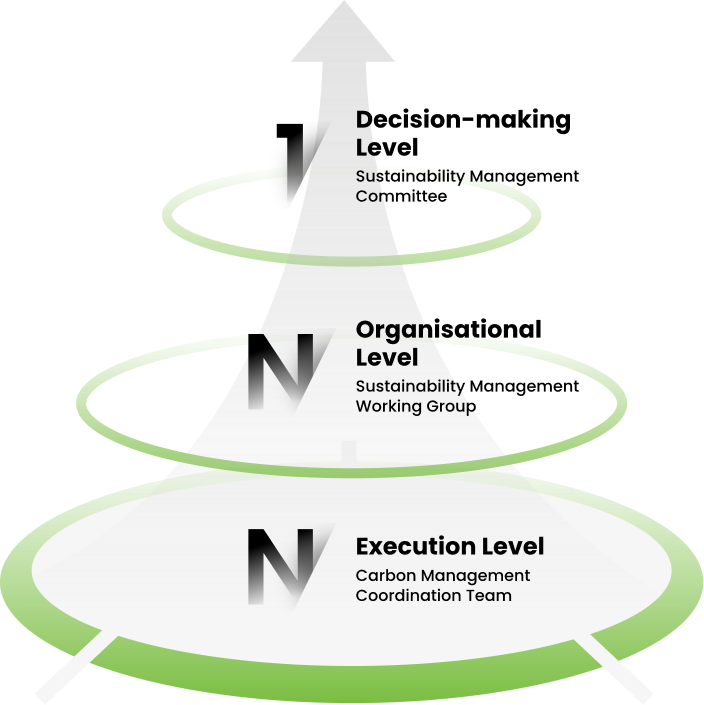
Jinko ESS Climate Governance Structure
Carbon Management System
Structured Carbon Management System
Digital Carbon Management Platform
Low-carbon Product Management
Structured Carbon Management System
In accordance with the ISO 14064 standard for the quantification and reporting of greenhouse gas emissions and removals at the organizational level, and taking into account our business characteristics and applicable industry regulations, Jinko Energy has established a comprehensive set of standardized policies and procedures. These govern the entire process of greenhouse gas inventory preparation, accounting, and reporting, thereby forming a systematic carbon management framework.
.png)


Digital Carbon Management Platform
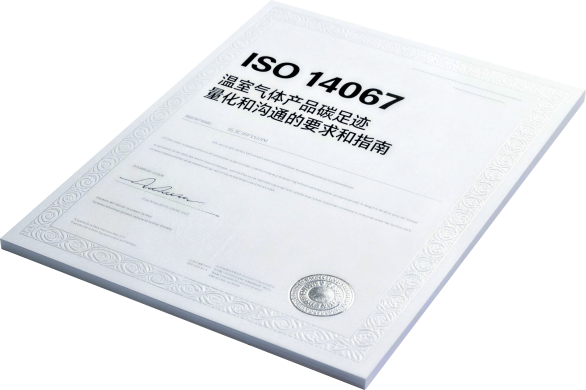
Jinko ESS has developed a dedicated carbon management platform for the collection, accurate calculation, dynamic monitoring and efficient management of carbon-emissions data. The platform provides a robust data foundation for annual greenhouse gas accounting, climate-target tracking, evaluation of emissions-reduction results and improved decision-making.
Low-carbon Product Management
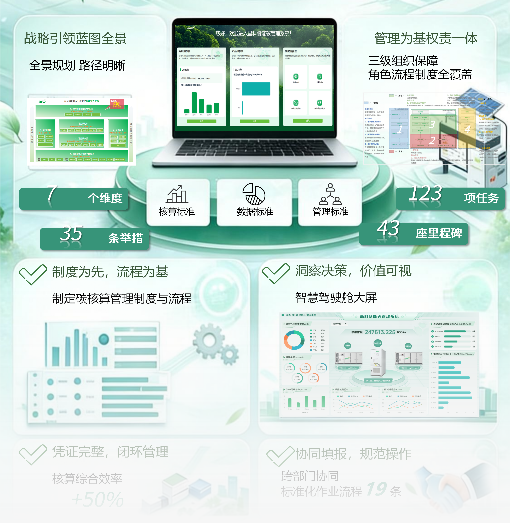
With reference to ISO 14067 requirements and guidelines for quantifying and communicating product carbon footprints, Jinko ESS has established product environmental-footprint models. These provide a data foundation for targeted process improvements, significantly reducing operational energy consumption and resource waste. Through process upgrades and the use of renewable electricity, we continue to reduce product carbon footprints across the entire value chain and deliver more efficient, greener products.
Energy Management
Energy Management System
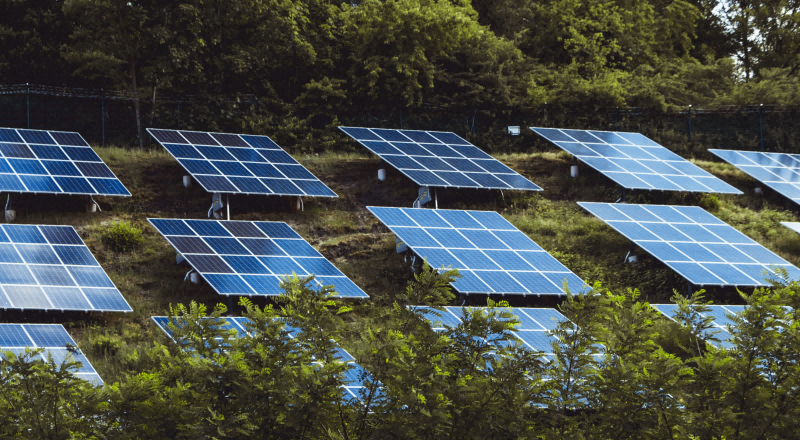
Jinko ESS has established a comprehensive energy management system in accordance with ISO 50001 requirements and guidance for use, supporting the responsible use of energy, waste reduction and lower costs. With a continued focus on process optimisation and equipment adjustment, we implement annual technical improvement projects for energy conservation and consumption reduction and actively promote the onsite consumption of renewable energy. These measures control emissions at source and throughout our processes, supporting the achievement of our operational carbon-neutrality target.

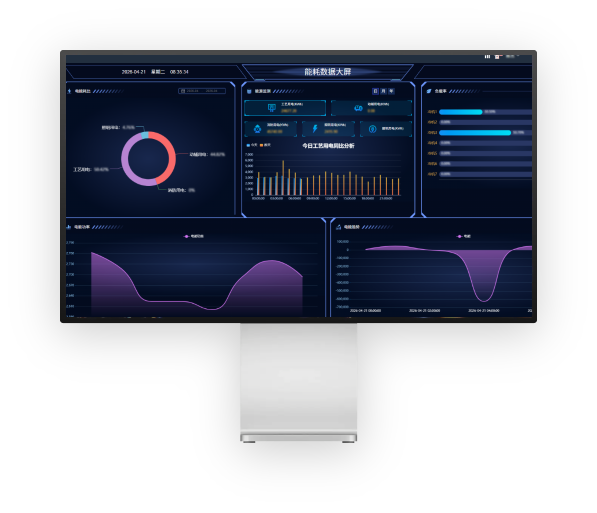
Smart Facilities and Equipment Management Platform
Jinko ESS further empowers energy management through digital technology. Our smart facilities platform enables end-to-end statistical analysis of energy and related data, covering inputs, outputs, consumption and settlement, allowing us to precisely control and optimise energy-use efficiency.
Recycling
Recycling towards a circular economy
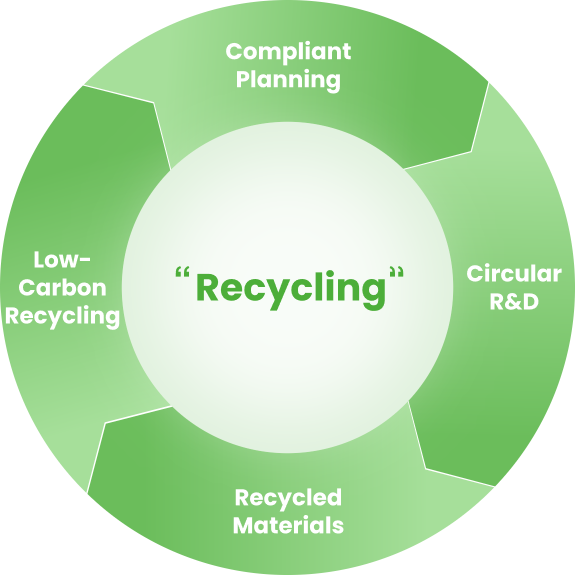
Jinko ESS has established localized compliance recycling networks. Guided by a full-lifecycle approach, we focus on circular design and sustainable raw materials, continuously enhancing product recycling rates and the proportion of recycled content, reducing reliance on virgin minerals, and driving full-chain carbon reduction.
Follow us